What to check before choosing a dune buggy tour Dubai
Booking a desert drive is easy when the day is clear, the vehicle suits the group, and the route matches the level of comfort expected. The hard part is knowing what to ask before paying. A dune buggy tour Dubai can feel very different depending on terrain, timing, group size, driving rules, and what is included around the drive itself. A little checking up front helps avoid surprises and makes the day more enjoyable for drivers and passengers alike.
Start with the driving setup
The first point to check is who is allowed to drive and what paperwork is required. Rules can vary by operator and by vehicle category, so confirm whether a driving licence is needed, whether age limits apply, and whether passengers can take part without driving. If one person in the group expects to drive but does not meet the requirements, the whole plan may need to change.
Ask how the buggy is controlled before the day begins. Some visitors are comfortable with a steering wheel and pedals, while others prefer a simpler setup. A dune buggy is not the same as a quad bike, and the driving position, balance, and turning feel can take a short while to settle in. Clear instructions before departure matter more than speed.
Seating is another practical detail. Check the number of seats, whether each person has a proper seat, and whether seat belts or harnesses are provided. Children, older passengers, and anyone who prefers a calmer ride may need a different arrangement from a group of confident drivers. If there is any doubt, say so at the booking stage rather than on the day.
Look closely at the route and terrain
Desert driving is not one single experience. Some routes focus on open dunes, some follow a desert trail, and some include stops for photos or short activities. Ask what kind of ground to expect and how long the driving portion lasts. A longer drive over soft sand can be tiring, especially for people who are not used to heat, dust, or constant steering corrections.
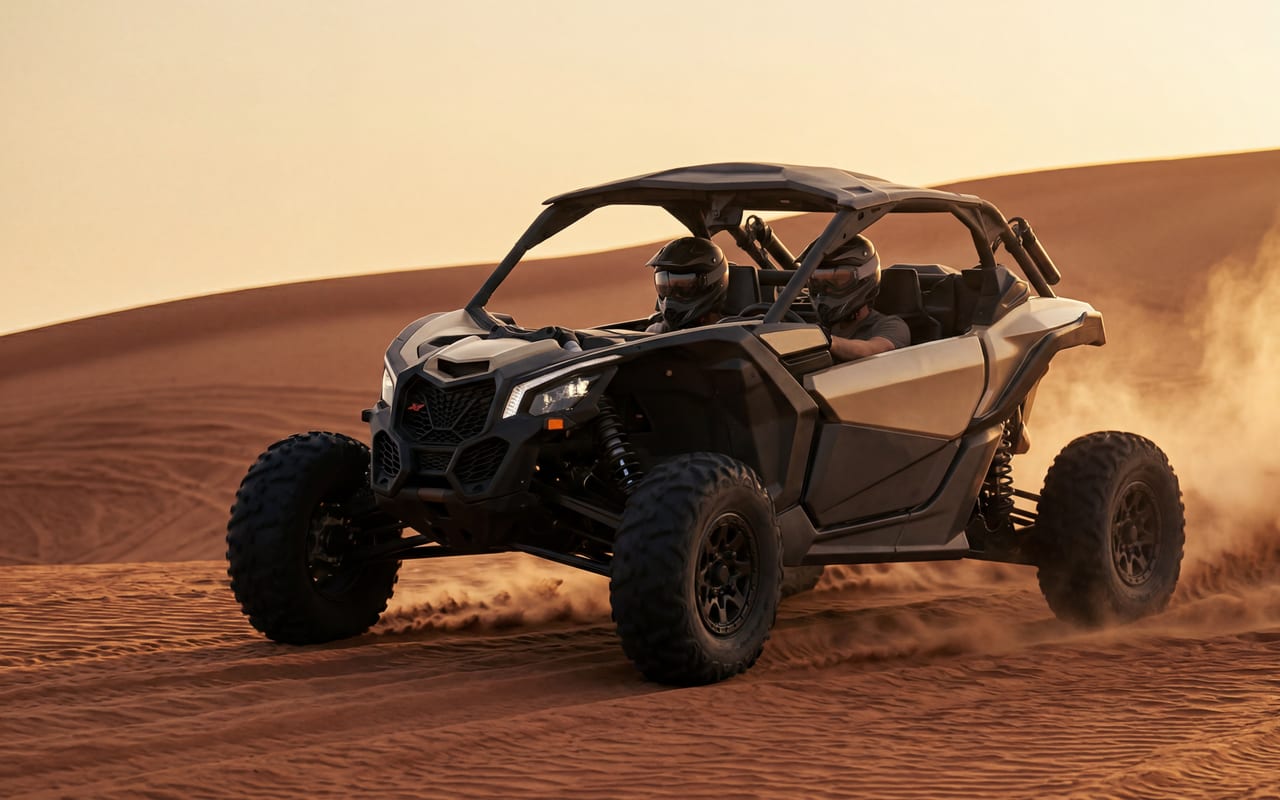
It is also worth checking how demanding the route is. Gentle dunes may suit families and first time drivers, while steeper or more technical sections can feel rough. No one enjoys a trip where half the group is thrilled and the other half is counting the minutes. Choose based on the least confident person, not the most adventurous one.
Weather affects the route more than many visitors expect. Midday heat can make even a short drive feel intense, while a sunset tour may bring cooler air and better light. Wind and sand conditions can also change the feel of the day. Check what happens if conditions are not suitable, and whether the route can be adjusted rather than simply cancelled.
Check what is included around the drive
A dune buggy tour Dubai is often sold as more than a drive. Some packages include only the buggy experience, while others add activities such as sandboarding, a camel ride, or a BBQ dinner. These extras can improve the day, but they also change the pace. A packed schedule may feel fun for some groups and rushed for others.
Ask whether helmets, goggles, and other basic riding gear are part of the booking. If not, find out what should be brought. Closed shoes are usually more practical than sandals, and loose scarves or dangling accessories can be awkward around a vehicle. Sun protection, water, and a way to keep sand out of a camera bag are simple items that make a noticeable difference.
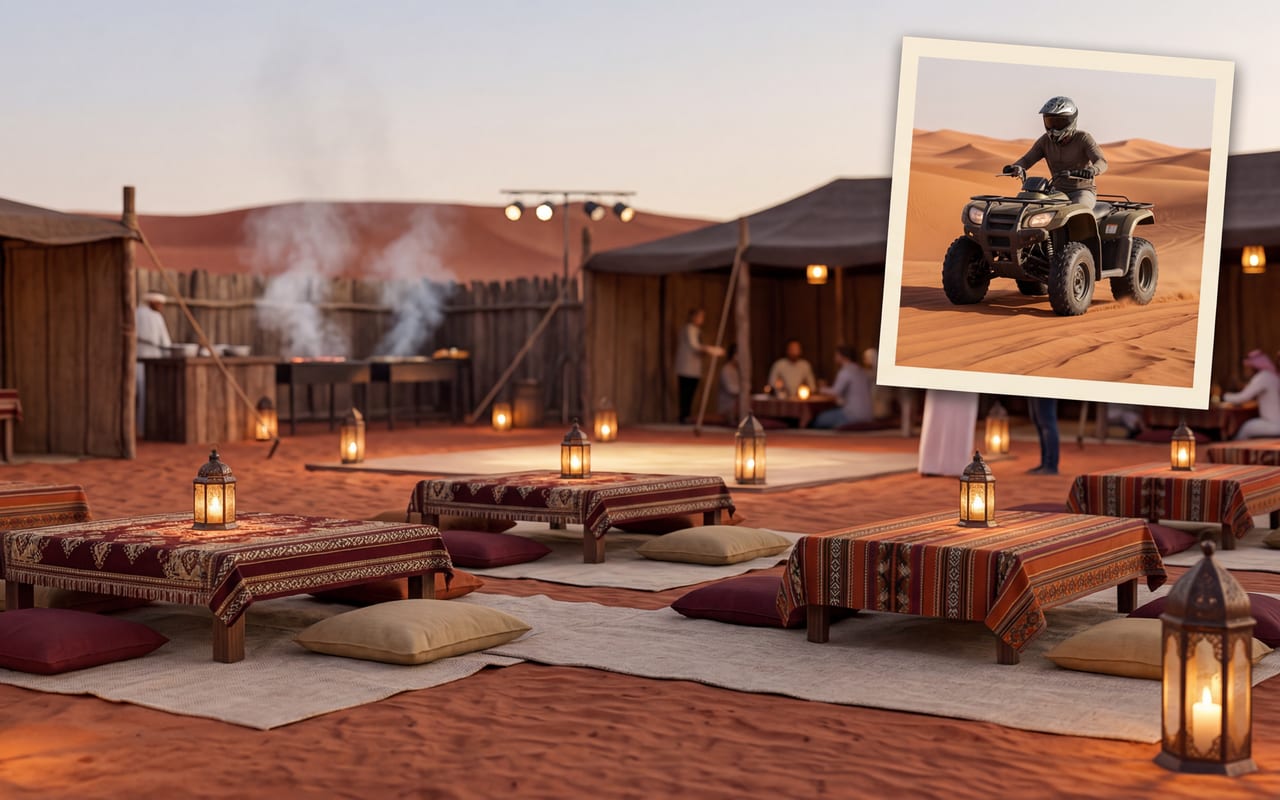
Food and drinks deserve a clear answer before booking. If a BBQ dinner is included, check whether drinks are included too, and whether there are options for vegetarians or children. If the drive ends at a camp, ask how much time is spent there and whether it is possible to leave earlier. A good itinerary should feel clear, not vague.
Confirm safety and supervision
Safety checks should be direct and specific. Ask what happens at the start of the tour, whether there is a briefing, and how drivers are guided during the drive. In a desert setting, clear communication matters because landmarks can look similar and tracks can shift. A tour with a lead vehicle or marked route is easier to follow than one where guests are left to work it out.
Find out what support exists if a buggy stops or a driver feels uncomfortable. Breakdowns and minor mistakes can happen in any outdoor activity. A sensible plan should include a way to assist the vehicle, reunite the group, and get passengers back without confusion. Emergency arrangements should not be treated as a nuisance question. They are part of a well run experience.

Medical and mobility needs should also be raised early. Bumpy terrain can affect people with back, neck, or joint problems, and dust can bother anyone sensitive to it. If a passenger needs to stay out of the roughest sections, check whether that can be arranged. The ATV Dubai Desert official site is a useful name to note when comparing options, but the practical questions still need clear answers before booking.
Understand the timing and group format
Time of day changes the whole outing. Early starts offer cooler air and softer light, while late afternoon suits people who want warmer colours and a slower pace. A sunset tour can be memorable, but it may also finish after dark, so check how guests return and what the schedule looks like once the light fades.
Group size affects comfort. A small group can feel relaxed and allow more attention to each driver. A larger group may be livelier, but briefings, stops, and returns can take longer. Ask whether the tour is shared or private, and how many vehicles usually travel together. This is especially useful for families, couples, and anyone celebrating something with a set number of guests.
Transfers are another point to clarify. Check whether pickup and drop off are included, where they start, and how long the journey to the desert takes. A short drive can become a long day if the transfer is not planned well. If guests are staying outside the city, confirm whether pickup is possible at all.
Read the booking terms before paying
Before confirming, read the terms carefully. Cancellation rules, changes to the schedule, and weather policies should be easy to understand. Look for plain answers about what happens if the tour cannot run, what can be changed, and what counts as a late arrival. Vague terms are a sign to ask more questions.
Payment details also deserve attention. Check what the booking covers, whether any extras are paid separately, and whether deposits or balances are handled at different stages. Keep written confirmation of the date, time, meeting point, activities, and inclusions. A clear record prevents confusion when several people are travelling together.
Insurance is another area where clarity helps. Ask what cover applies to the activity and what responsibilities remain with the driver. Do not assume that every form of cover works the same way. If the answer is hard to follow, request it in writing and take time to read it.
Match the tour to your group
The best choice is rarely the one with the longest list of extras. It is the one that fits the people going. A group with young children may value short driving sessions, shaded stops, and a simple route. Experienced drivers may prefer more time on varied dunes. Mixed groups usually need a balance, with enough driving to feel worthwhile and enough breaks to keep everyone comfortable.
Think about clothing, camera gear, and personal items before setting off. Sand gets into small spaces, so a sealed bag for electronics is sensible. Sunglasses help with glare, but a strap can prevent them from being lost. Lightweight layers work better than heavy clothing, and shoes that cover the foot are more practical than open sandals.
Anyone who feels unsure should speak up before the vehicle moves. Drivers and passengers can ask for a slower pace, a short stop, or a different seat arrangement. A good outing depends on clear expectations, not on pretending to be more confident than you feel. Comparing the ATV Dubai Desert official site with other sources can help with the initial shortlist, but the final decision should rest on route, safety, timing, inclusions, and terms that suit the group.